



The Architect's Job Isn't to Make It Pretty
It's to Make It Work
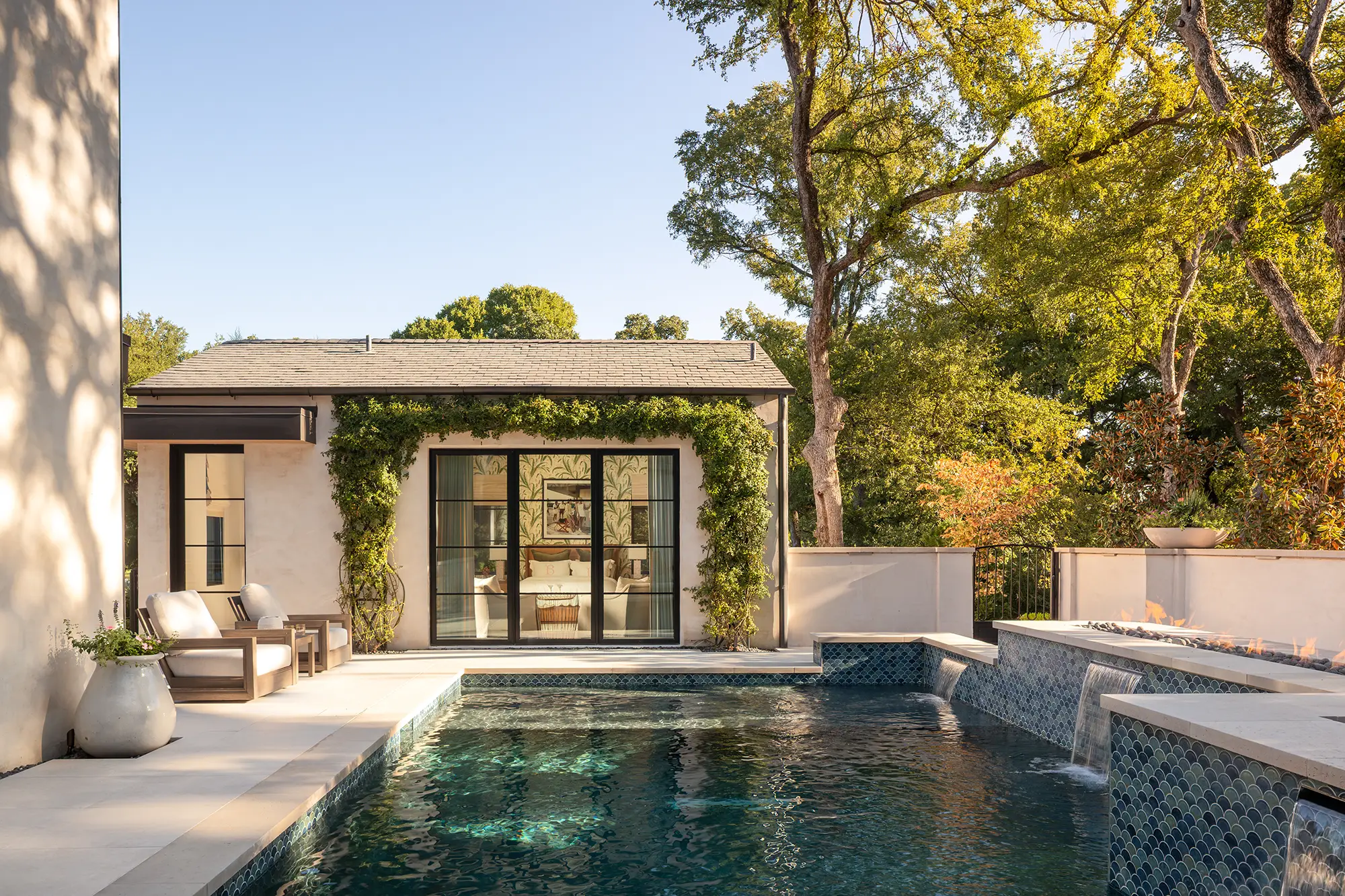
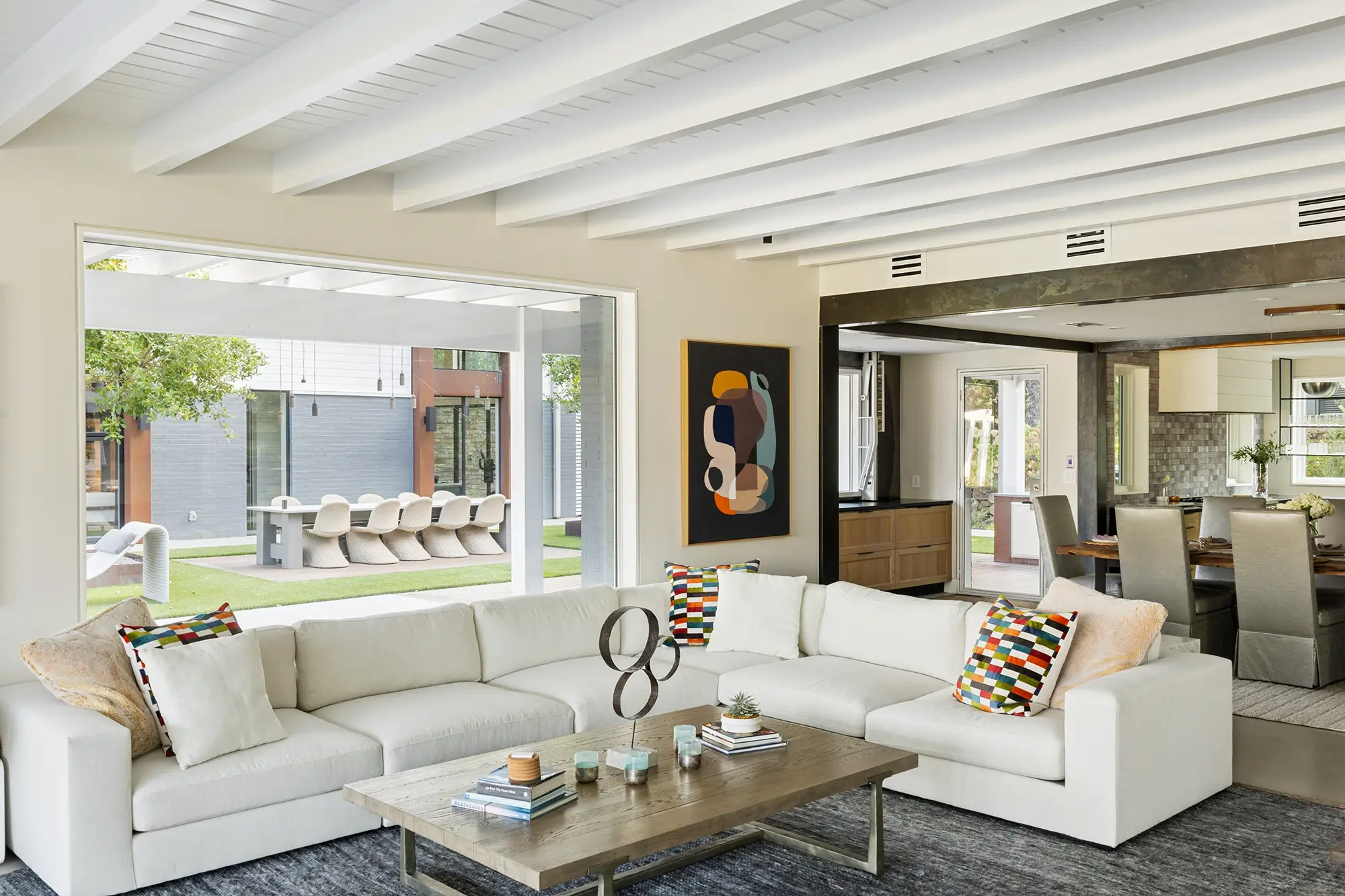
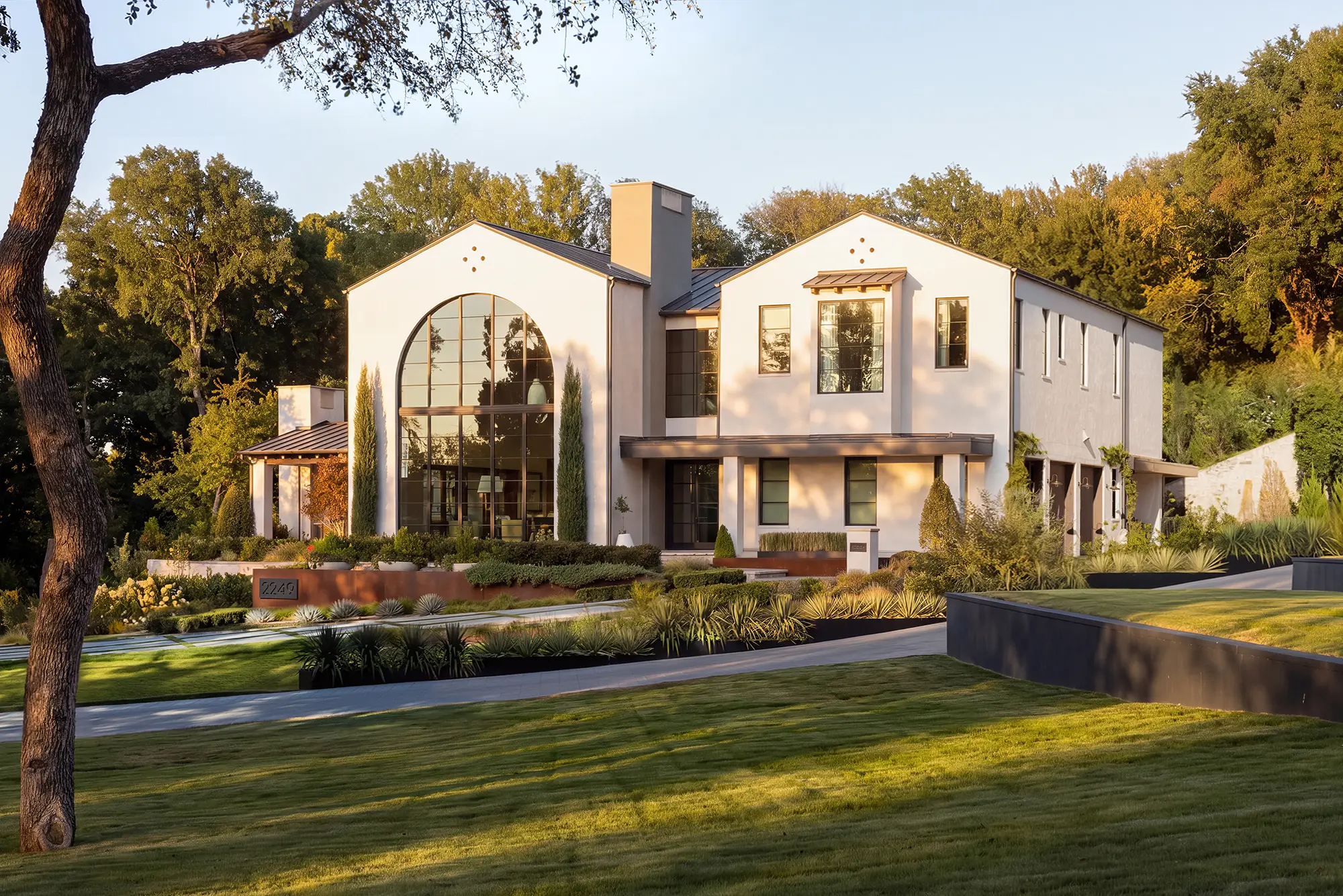
If you asked most people what an architect does, you'd probably hear some version of "designs how a building looks." It's not wrong, exactly but it's a fraction of the job, and honestly, it's the fraction that's easiest to outsource to a stylist, a design app, or a Pinterest board. The part of the job that actually requires an architect the part with real consequences if it's done poorly is almost entirely invisible in a finished photograph.
What "making it work" actually means
Making a building work means understanding how loads move through a structure, and designing so the building stands up correctly for its entire lifespan, not just at ribbon-cutting. It means understanding how air, moisture, and heat move through walls and roofs, and detailing assemblies so those forces don't slowly destroy the building from the inside. It means sequencing spaces so a home actually functions for how a specific family lives, not just how the floor plan reads on paper. It means navigating code requirements, structural realities, and site constraints in a way that still delivers on the client's goals, instead of forcing the client to compromise around problems a design should have solved.
None of that shows up in a listing photo. All of it determines whether the house you're paying for will actually perform the way you expect it to, for as long as you own it.
Where the "pretty house" problem comes from
We've spent this whole series talking about homes that look beautiful and still don't work cold bedrooms, stale air, glare, noise, comfort problems a renovation never actually fixed. Every one of those problems traces back to the same root cause: a design process where the visual decisions got real attention and the functional ones didn't. That's not always the fault of a bad architect. Sometimes it's what happens when the design process gets compressed, when performance conversations get treated as optional add-ons, or when a project is led primarily by aesthetic decision-making without enough building science behind it.
We think that's backwards. Aesthetics matter enormously to us we care about proportion, light, materiality, how a space actually feels to stand in, as much as any firm you'll talk to. But we don't think beauty and function are separate jobs where one is optional. We think a home that's stunning and doesn't perform failed at architecture just as completely as one that performs beautifully and looks like nothing.
What this means for how we work
Every project starts with the same two questions running in parallel, never sequentially: how should this look and feel, and how does it actually need to perform structurally, thermally, acoustically, for air quality, for the next thirty years of the people living in it. Neither question gets to dominate the other. A beautiful idea that compromises how the house works gets revised. A high-performing solution that undermines the design intent gets revised too. The job is holding both, at the same time, on every decision.
That's the whole premise behind Beyond Beautiful, and it's the thread running through everything we've written in this series: air you don't think about breathing, temperatures that stay even, light that helps you feel human, sound that lets you actually live in the spaces you paid for, a house built to still be working exactly as well decades from now. None of that happens by accident, and none of it happens if "making it pretty" is treated as the whole job.
Next in this series: What a Healthy, High-Performance Home Actually Feels Like to Live In bringing everything in this series together.